
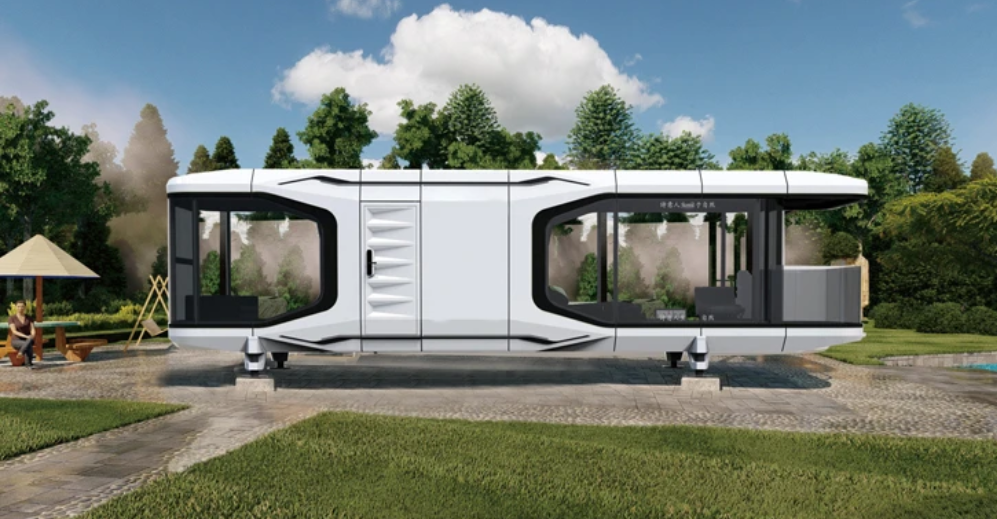
In recent years, mobile holiday homes have become one of the fastest-growing trends in modern living. Whether people are looking for a peaceful vacation retreat, a weekend escape, or even an affordable alternative to traditional housing, these homes offer a practical and comfortable solution. With advancements in design, insulation, and construction, today’s mobile holiday homes are suitable for use throughout the year, making them an attractive option for families, retirees, and remote workers alike.
Unlike conventional houses that often require significant investments and lengthy construction periods, mobile holiday homes provide a cost-effective and convenient alternative. They combine comfort, flexibility, and modern amenities while allowing owners to enjoy nature without sacrificing convenience.
What Is a Mobile Holiday Home?
A mobile holiday home is a fully equipped living space that can be placed in holiday parks, private land, or designated residential areas. Although they are called “mobile,” they are designed to remain in one location for extended periods while offering all the comforts of a traditional home.
Most modern units include:
- A spacious living room
- One or more bedrooms
- A fully equipped kitchen
- Modern bathrooms
- Heating and insulation
- Electricity and plumbing connections
These features make them suitable for seasonal vacations as well as year-round living.
Affordable Alternative to Traditional Housing
One of the biggest reasons people choose mobile holiday homes is affordability. Purchasing a traditional house often involves high property prices, maintenance costs, and long-term financial commitments. Mobile homes provide a more budget-friendly option while still offering excellent comfort.
Many buyers appreciate the ability to own a private retreat without taking on the financial burden associated with conventional real estate. This affordability has made mobile homes increasingly popular among first-time buyers, retirees, and families looking for vacation properties.
Comfortable Living Throughout the Year
Modern construction techniques have significantly improved the quality of mobile holiday homes. Better insulation, energy-efficient windows, and reliable heating systems allow these homes to remain comfortable during both summer and winter.
Many people mistakenly believe that mobile homes are only suitable for warm-weather vacations. In reality, many contemporary models are specifically designed for year-round use. Proper insulation helps maintain indoor temperatures while reducing energy consumption, making them practical in different climates.
For readers interested in learning more about year-round mobile holiday homes, this detailed guide provides useful information:
Freedom to Choose Beautiful Locations
Another major advantage is flexibility. Mobile holiday homes can often be placed in scenic environments such as:
- Forest areas
- Lakeside communities
- Coastal regions
- Mountain destinations
- Holiday parks
- Private countryside properties
Instead of living in crowded urban environments, owners can enjoy peaceful surroundings while remaining connected to modern conveniences.
This flexibility allows families to spend quality time together, enjoy outdoor activities, and experience a healthier lifestyle closer to nature.
Perfect for Remote Work
The rise of remote work has changed how people think about housing. Many professionals no longer need to commute daily to an office, allowing them to work from virtually anywhere with a reliable internet connection.
Mobile holiday homes provide an ideal workspace because they offer:
- Quiet surroundings
- Lower living costs
- Comfortable work environments
- Better work-life balance
- Reduced stress
Working near nature has also been shown to improve concentration and overall well-being, making mobile homes an attractive option for freelancers and digital professionals.
Modern Designs and Stylish Interiors
Today’s mobile holiday homes are far more stylish than many people expect. Manufacturers now focus on contemporary architecture and functional interior layouts that maximize available space.
Popular features include:
- Open-plan living areas
- Large windows with natural light
- Modern kitchens
- Elegant bathrooms
- Built-in storage solutions
- High-quality furniture
- Energy-efficient appliances
These thoughtful designs create bright, welcoming interiors that feel much larger than their actual size.
It was the best of times, it was the worst of times. The fear of death follows from the fear of life. The unexamined life is not worth living.
Lower Maintenance Requirements
Traditional houses often require regular maintenance, including roofing repairs, exterior painting, landscaping, and structural upkeep. Mobile holiday homes generally require less maintenance, saving both time and money.
Routine cleaning and occasional inspections are usually enough to keep the property in excellent condition. This makes them particularly attractive for individuals who want a second home without the responsibilities of maintaining a large property.
Environmentally Friendly Living
Sustainability has become an important consideration for modern homeowners. Mobile holiday homes typically have a smaller environmental footprint than conventional houses because they use fewer building materials and often consume less energy.
Many modern models incorporate environmentally friendly features such as:
- LED lighting
- Energy-efficient insulation
- Water-saving fixtures
- Solar power compatibility
- Efficient heating systems
These features help reduce utility costs while supporting a more sustainable lifestyle.
Excellent Investment Opportunity
Mobile holiday homes are also becoming attractive investment opportunities. Depending on their location, owners may rent them to tourists during peak travel seasons, creating an additional source of income.
Popular tourist destinations often experience high demand for comfortable holiday accommodations. A well-maintained mobile home located near beaches, lakes, mountains, or national parks can generate consistent rental income throughout much of the year.
Before purchasing, owners should research local regulations regarding rentals and property management.
Tips for Choosing the Right Mobile Holiday Home
Selecting the right home requires careful planning. Consider the following factors before making a purchase:
Location
Choose an area that matches your lifestyle and intended use, whether for vacations, permanent living, or rental purposes.
Size
Consider how many people will regularly use the property and select an appropriate floor plan.
Insulation
If you plan to use the home year-round, prioritize high-quality insulation and efficient heating systems.
Budget
Calculate not only the purchase price but also transportation, installation, utilities, and ongoing maintenance costs.
Amenities
Look for features that improve comfort, including modern kitchens, spacious living areas, quality bathrooms, and outdoor space.
A Lifestyle Focused on Comfort and Simplicity
Many people today are choosing simpler lifestyles that prioritize experiences over unnecessary expenses. Mobile holiday homes perfectly reflect this shift by offering practical living spaces without sacrificing comfort or quality.
Whether used as a permanent residence, vacation getaway, retirement home, or investment property, these homes provide flexibility that traditional housing often cannot match.
They encourage outdoor living, stronger family connections, and a healthier balance between work and leisure.
Conclusion
Mobile holiday homes continue to grow in popularity because they offer affordability, flexibility, modern comfort, and opportunities for year-round living. Advances in construction and design have transformed them into practical housing solutions suitable for many different lifestyles.
Whether you are looking for a peaceful retreat, an investment opportunity, or an affordable place to live, a well-designed mobile holiday home can be an excellent choice. By carefully selecting the right location and features, you can enjoy a comfortable, modern lifestyle while remaining connected to nature and reducing long-term housing costs.