

Gulmohar Plant is one of the most gorgeous flowering trees to plant in the garden or along roadsides. It produces splendid red, orange and yellow flowers in summer. The Flame Tree or Royal Poinciana is a fast growing tree with excellent shade and landscape interest. It can live for many, many years, and with the proper attention, it can be the focal point of your outdoor area.
What is Gulmohar Plant?
Gulmohar, Delonix regia, is a tropical flowering plant which is endemic to Madagascar. This is a legume that is commonly found in warm areas in Asia, Africa and the Americas. The tree grows to 10-15 m tall and has a wide spreading canopy. The feathery, green leaves and colorful blooms make it a popular landscape plant, school tree or ornamental for the home garden.
Features of the Gulmohar Plant
Appearance
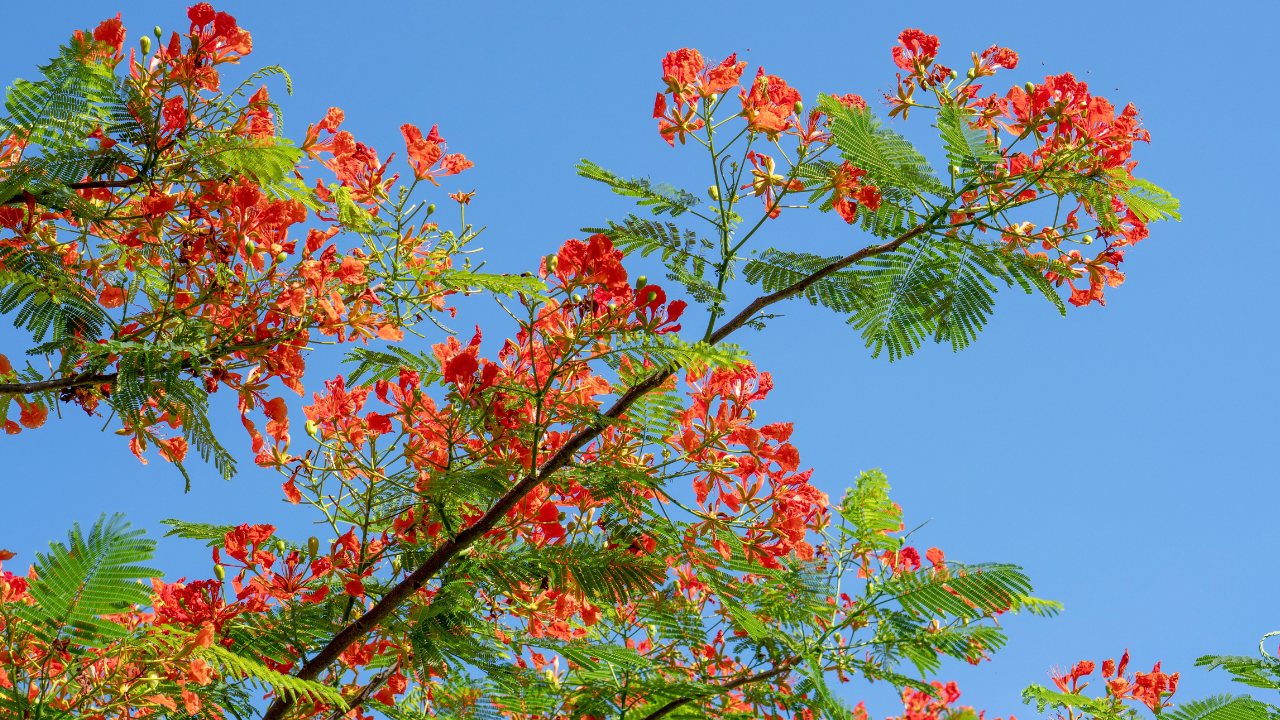
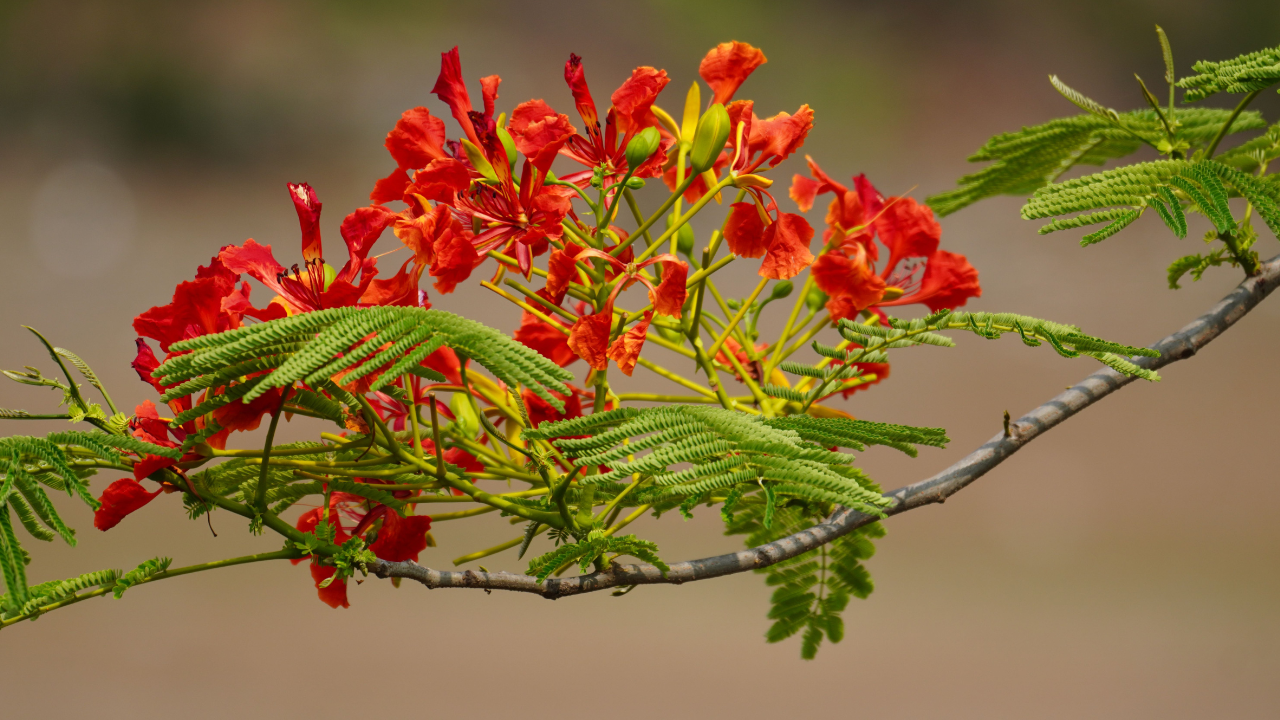
The leaves of the tree are soft and fern like, green for most of the year. In the flowering season the branches are covered with large clusters of bright red or orange flowers. After flowering, seed pods will grow, and be long and dark brown, which can remain on the tree for several months. The bark is smooth in young trees and rough in older trees.
Flowering Season
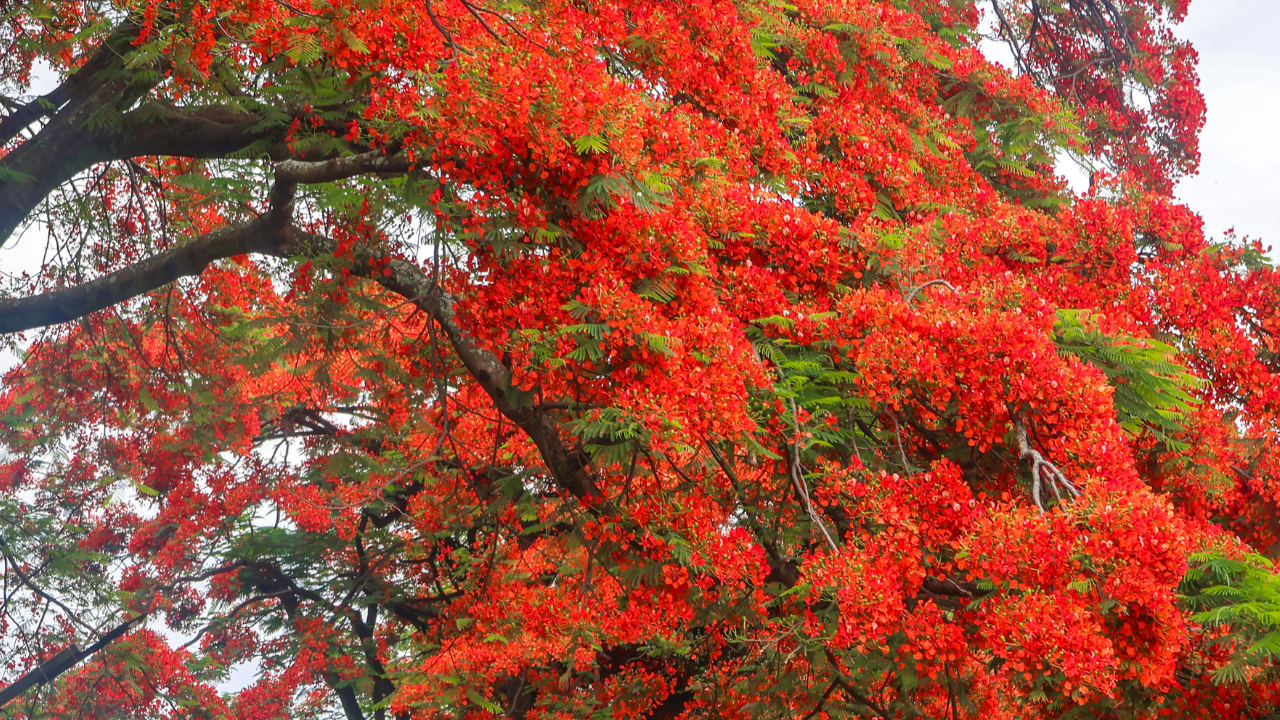
The flowering period for Gulmohar is generally during the late spring and early summer. Heavy flowering occurs when the temperature is warm and the sunlight is full. The tree has hundreds of brightly coloured flowers which can appear for weeks, to create a beautiful landscape.
Read Also: 750ml to oz: Quick Conversion Guide & Practical Uses
Benefits of Growing a Gulmohar Plant
Apart from its splendid flowers, there are a number of benefits in cultivating a Gulmohar.
- Creates heavy shade when it is hot.
- Improves the beauty in gardens, parks, and streets.
- Draws butterflies, bees and birds.
- Improves air quality by absorbing carbon dioxide.
- Cools the air around it by having a large canopy.
- Enhances the aesthetic value of homes and businesses.
How to Grow a Gulmohar Plant
Best Location
Select the location that gets 6-8 hours of direct sunlight each day. The tree will be large so plant it in open space and away from buildings, walls and underground pipework.
Soil Requirements
The tree will thrive in fertile, well-drained soil. Good root growth is provided by sandy loam or loamy soil. Do not use heavy clay soil that is water saturated following rain.
Watering Tips
Water frequently to encourage good root development the first year. When mature, these trees can withstand drought and only require watering during extended dry spells. Let soil dry down a bit between watering.
Fertilizer Needs
Fertilize with a balanced fertilizer in early spring before new growth starts. Using organic compost or well-rotted manure can also help to enhance soil quality and promote flower formation. Do not over fertilize as excess nitrogen can decrease the production of flowers.
Pruning Guide
Trim dead, damaged, or overgrown branches in late winter or early spring. Light pruning will increase air circulation and keep the tree in good shape. Prune out branches that are not productive before flowering time to promote growth.
Common Problems and Their Solutions
Gulmohar is easy to grow, but it may present certain problems.
- Yellow leaves: Likely due to over watering or poor drainage. Limit watering and enhance soil drainage.
- Root rot: Don’t plant where there is excess water.
Fruits and vegetables: Young leaves can be eaten by pests such as aphids and caterpillars. If necessary, treat with neem oil or an insecticidal soap. - Leaf spot disease: Remove infected leaves and avoid wetting the foliage during watering.
- Insufficient blooms: Make sure the tree gets full sun and don’t use too much nitrogen fertilizer.
Regular care and inspection identifies issues early and helps to maintain good health.
Best Companion Plants for Gulmohar
Gulmohar trees are suitable for growing many flowering plants as they require similar environmental conditions.
- Bougainvillea
- Hibiscus
- Plumeria
- Ixora
- Bird of Paradise
These plants make more colourful additions to the landscape and grow better in sunny spots.
Final Word
The Gulmohar tree is an ideal selection for those looking for a vibrant and easy-to-care-for shade tree. It is one of the most attractive ornamental trees for warm climates, due to its colourful blossoms, broad canopy and speed of growth. Your Gulmohar Plant can live for decades with proper sunlight, well-drained soil and simple care to grace your garden with beauty during the flowering season.
FAQs
1.What is the growth rate of Gulmohar Plant?
It is a fast-growing tree that can be well cared for to grow several meters in height in a few years in warm climates.
2. How many times to water Gulmohar Plant?
Frequently water young trees. Once a tree is established, it typically requires watering during long dry spells.
3. Why is the Gulmohar Plant not flowering?
Flowers may be less abundant if there is not enough sunlight, too much nitrogen fertilizer or a young tree.
4. Does a Gulmohar Plant grow in a pot?
Large containers are suitable for growing young plants for a brief period. Older trees need open space due to their large root system.
5. Easy to maintain Gulmohar Plant?
Yes, it is not difficult to maintain once established, except for occasional watering, seasonal pruning and yearly fertilization.
Read more: 190C is What in Fahrenheit? Complete Conversion Guide with Cooking Tips