You have scrolled through hundreds of photos, saved dozens of outfits, and still cannot decide. Every bridal lehenga for women looks stunning on a screen, yet very few survive the reality of a six-hour wedding day. If you have ever wondered why a gorgeous outfit felt heavy, itchy, or simply wrong once you tried it on, this guide is for you.
The Problem: Beautiful Photos, Disappointing Reality
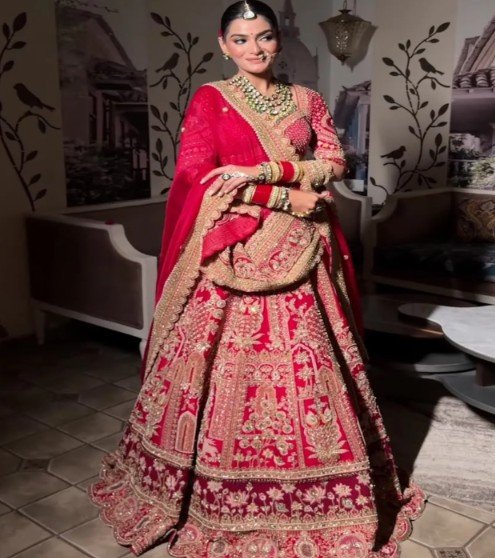
Most brides begin their search with images, not information. Online photos are edited, lit professionally, and styled on models who are not sitting through rituals, dancing at sangeet, or posing for hours. The result is a common story: a bride falls in love with a design, orders it, and discovers the fabric is stiff, the embroidery scratches, or the colour looks washed out in daylight.
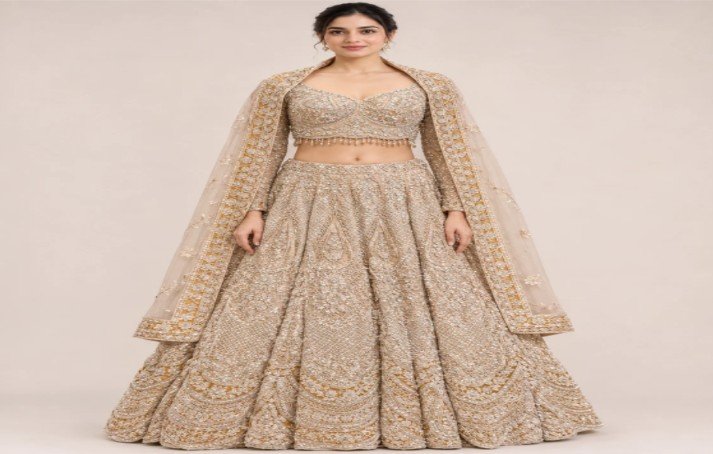
Shades of gold create the most confusion. Under studio lights, a golden lehenga can look rich and warm. Under natural sunlight or a mandap’s yellow bulbs, the same outfit can look flat, brassy, or even beige. Choosing wisely means understanding what you are actually buying.
Understanding the Basics: What Makes a Golden Lehenga Special
Gold has been tied to Indian weddings for centuries. It symbolizes prosperity, auspicious beginnings, and celebration. A golden lehenga suits many occasions, from the main ceremony to the reception, and it pairs well with almost any jewellery, whether you favor kundan, polki, or temple pieces.
Not all gold is equal, though. Three factors decide how it looks and feels:
Shade. Champagne gold is soft and subtle, antique gold is deep and traditional, and metallic gold is bold and reflective. Each flatters different skin tones. Warm and olive complexions glow in antique and rose gold, while fair and cool tones suit champagne and pale gold.
Fabric. Silk gives structure and a natural sheen. Net and tulle feel light and modern. Velvet brings richness for winter weddings. Brocade and banarasi offer a heritage look but can weigh more.
Embellishment. Zardozi, sequins, dabka, and thread embroidery each add a different texture. Heavy work looks grand but adds weight, so balance matters.
A Practical Selection Framework
Instead of choosing by impulse, use these five filters before buying any wedding lehenga for women.
1. Season and venue. A summer daytime wedding needs breathable, lighter fabrics like net or organza. A December evening ceremony can handle velvet or heavy silk. Outdoor venues call for a skirt that will not trail and gather dirt.
2. Weight. Ask for the actual weight of the outfit. A lehenga above 6 to 7 kilograms can become exhausting. If you love heavy work, consider concentrating it on the blouse and border, leaving the skirt body lighter.
3. Your body type. A-line silhouettes suit most figures. Mermaid cuts flatter slim and hourglass shapes. Circular, flared skirts balance broader hips. Choose a blouse neckline that matches your comfort, since you will be wearing it for hours.
4. Colour in multiple lights. Request pictures taken in daylight, or ask for fabric swatches. Check how the gold reads without studio lighting.
5. Customisation. Ask whether the length, blouse fit, and dupatta can be adjusted. A lehenga that is custom-fitted always looks better than one simply altered.
Example: Putting the Framework to Work
Consider Meera, a bride with a February wedding in Jaipur. She loved a heavily embroidered antique gold outfit, but it weighed nearly 9 kilograms. Using the framework, she tested the season first. February is mild, so velvet was possible, but her ceremony lasted several hours.
She chose a champagne-gold silk lehenga with zardozi concentrated on the blouse and hem, paired with a lightweight net dupatta carrying delicate borders. The skirt was a soft A-line, easy for sitting during rituals and dancing later. She requested a daylight photo before confirming, and the shade matched her expectation. The outfit weighed under 6 kilograms, and she wore it comfortably through the whole day.
The lesson is simple: the best outfit is the one that fits your day, not just your feed.
Trust and Buying Guidance
Before you pay, protect yourself with a few checks:
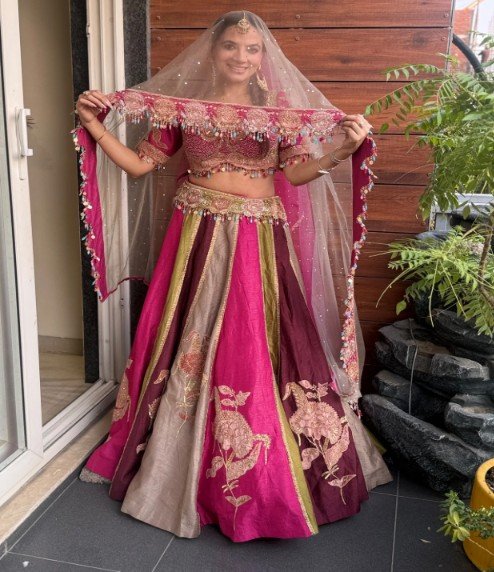
- Ask for real photos and videos, not only model shots. Videos reveal movement, drape, and true colour.
- Check the fabric composition and care instructions in writing.
- Understand the return and alteration policy before ordering. Many bridal pieces are non-returnable, so clarity matters.
- Confirm timelines. Allow at least two to three months for custom pieces, plus time for fittings.
- Read genuine reviews that include customer photos rather than only star ratings.
- Be cautious of unusually low prices for heavy embroidery. Genuine handwork takes time and costs accordingly.
Finally, schedule at least one trial fitting with your jewellery and footwear. Seeing the complete look together prevents last-minute surprises.
Final Thoughts
Choosing your wedding outfit should feel exciting, not stressful. When you filter by season, weight, body type, true colour, and customisation, the overwhelming options shrink into a confident shortlist. A golden lehenga can be one of the most timeless choices you make, provided you pick the shade, fabric, and fit that suit you.
If you would like to explore thoughtfully crafted options, Odhni offers a range of bridal and festive pieces worth browsing at your own pace. Take your time, ask questions, and trust your comfort as much as your eye. The right outfit will make you feel like yourself, only radiant.